



Not all steel coils are created equal. Processing a rough, heavy-duty Hot Rolled (HR) coil requires a completely different mechanical approach than processing a delicate, shiny Cold Rolled (CR) or Galvanized (GI) coil.
Running both materials on a machine built for only one type will cause either severe equipment wear or ruined, scratched products. Guangzhou Blue Sky Machine Co., Ltd explains how to safely configure your steel coil shearing line based on your raw materials.
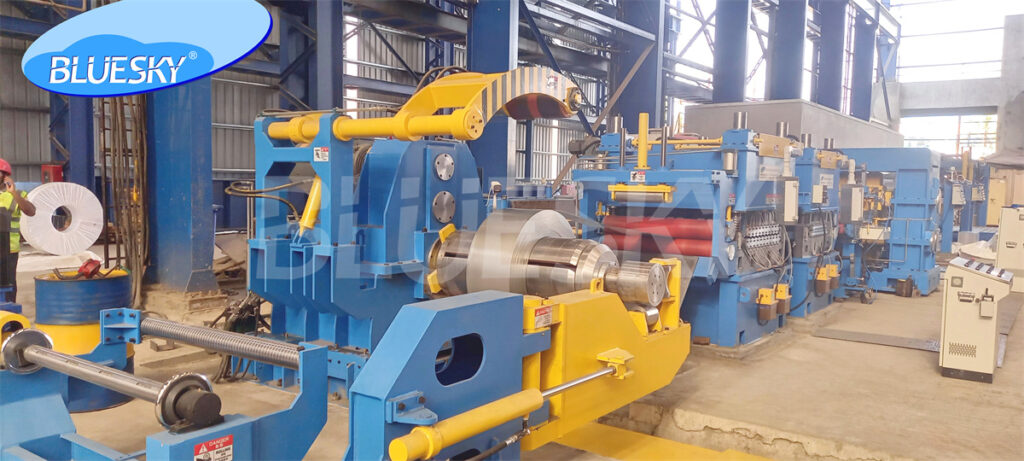
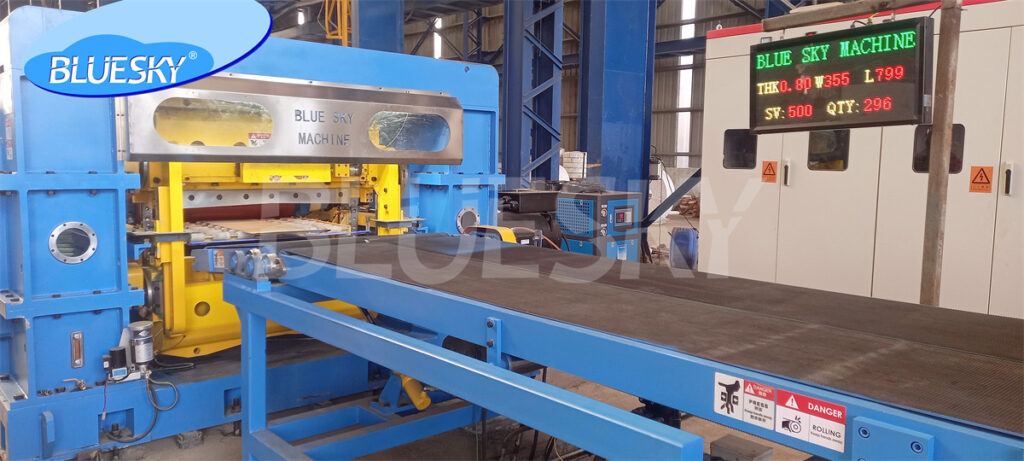
1. Processing Hot Rolled Steel (HR): Defeating the Black Scale
Hot rolled steel is thick, heavy, and covered in hard black iron oxide scale:
- The Challenge: As the coil uncoils, this abrasive black scale flakes off and gets trapped inside the machine's moving parts.
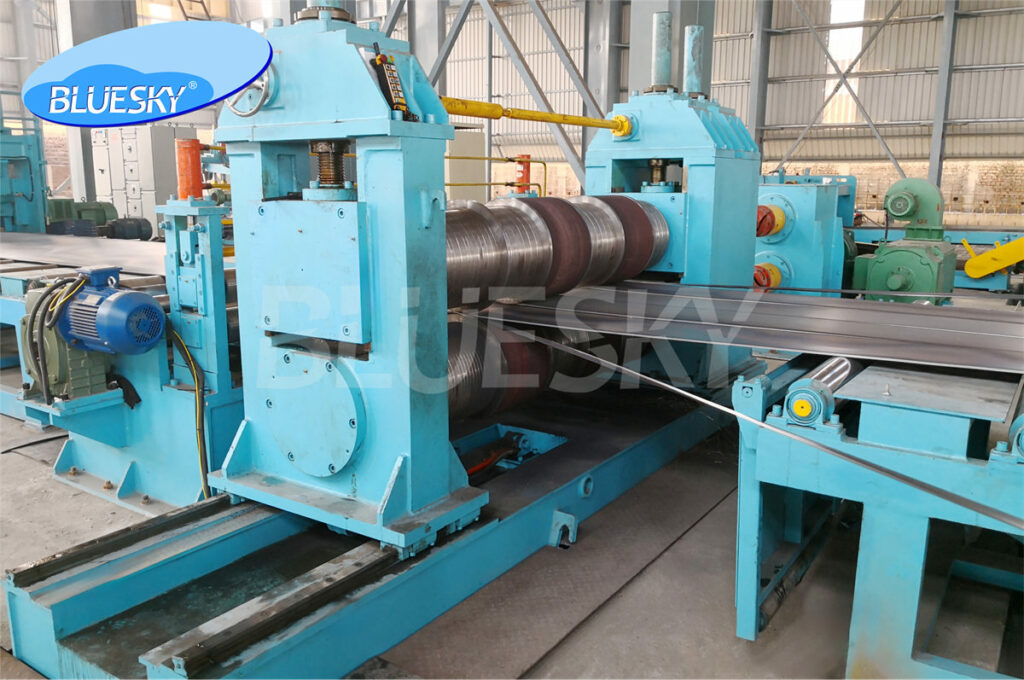
- The Solution: Your cut to length line machine must feature heavy-duty, reinforced leveling rollers and robust, dust-proof bearings. The mechanical frame must be strong enough to handle the massive yield tension of thick plates without flexing.
2. Processing Cold Rolled & Galvanized Steel (CR/GI): Protecting the Finish
Cold-rolled and galvanized coils are thin, precise, and visually pristine:
- The Challenge: The slightest mechanical rubbing will scratch the zinc coating or paint finish, turning your premium stock into scrap metal.
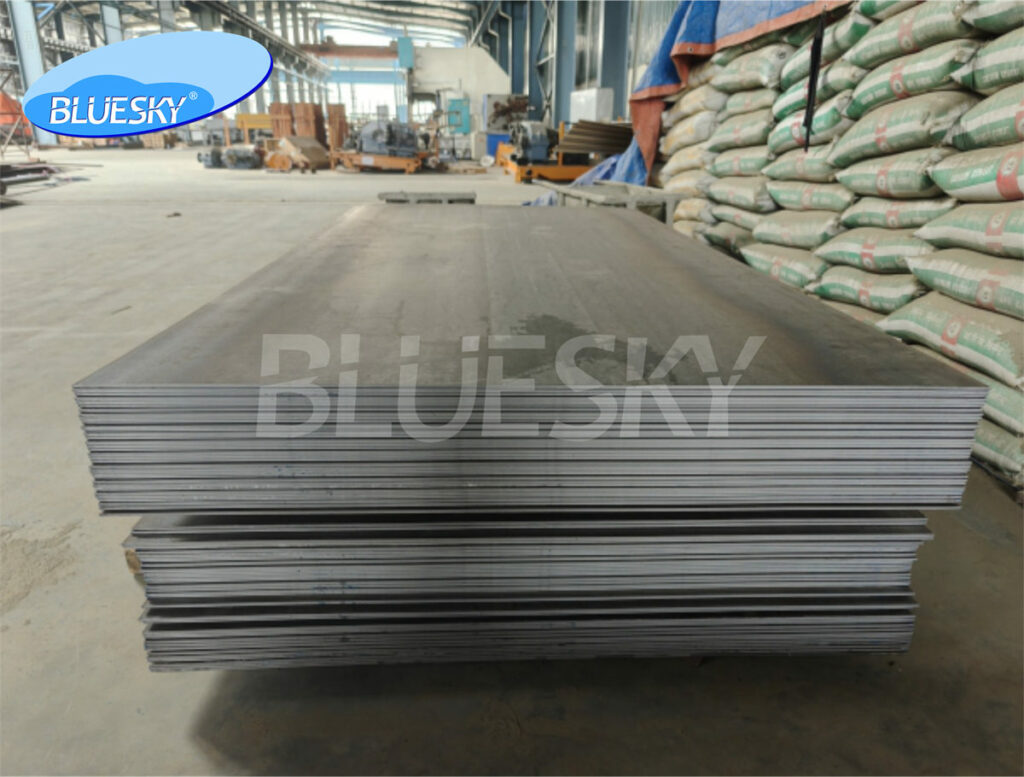
- The Solution: The leveling rollers must be deeply hardened and mirror-polished to prevent marking the metal. Furthermore, the final stacking zone should utilize pneumatic or electromagnetic automatic plate stackers so the sheared sheets drop lightly into place without sliding against each other.
The Blue Sky Engineering Standard
Our standardized Slitting Line & Cut to Length Line platforms can be customized with specific roller coatings, brush cleaners, and stacker types to perfectly handle your factory's metal types.
Contact the sales engineering team at Guangzhou Blue Sky Machine Co., Ltd today for a tailored technical proposal built for your specific raw materials!