



The Role of a Slitting Line Machine in Modern Metal Processing
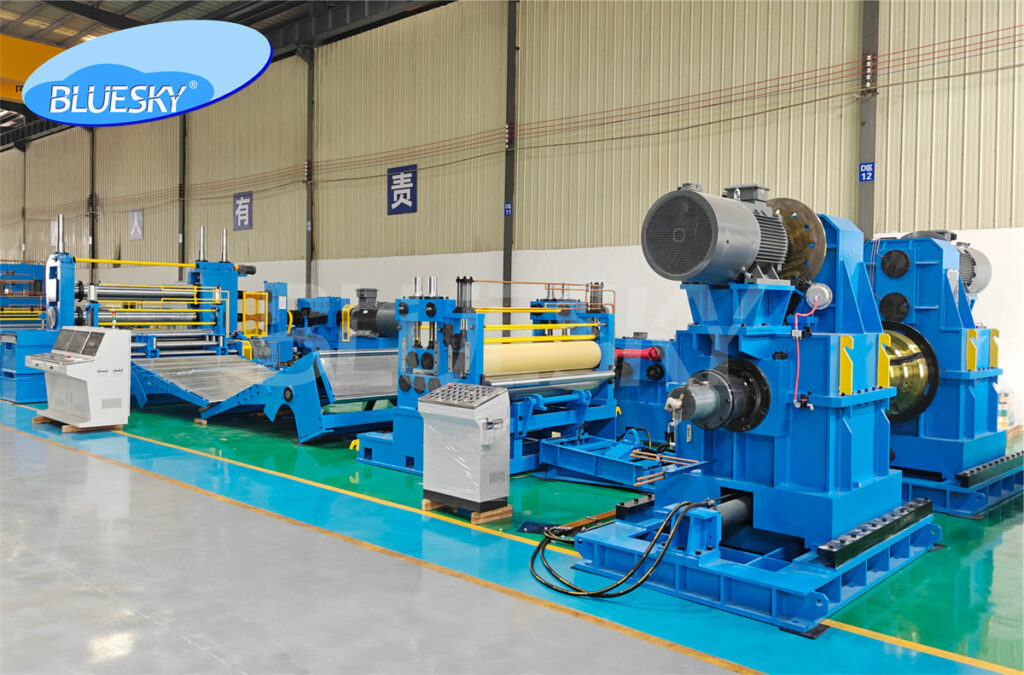
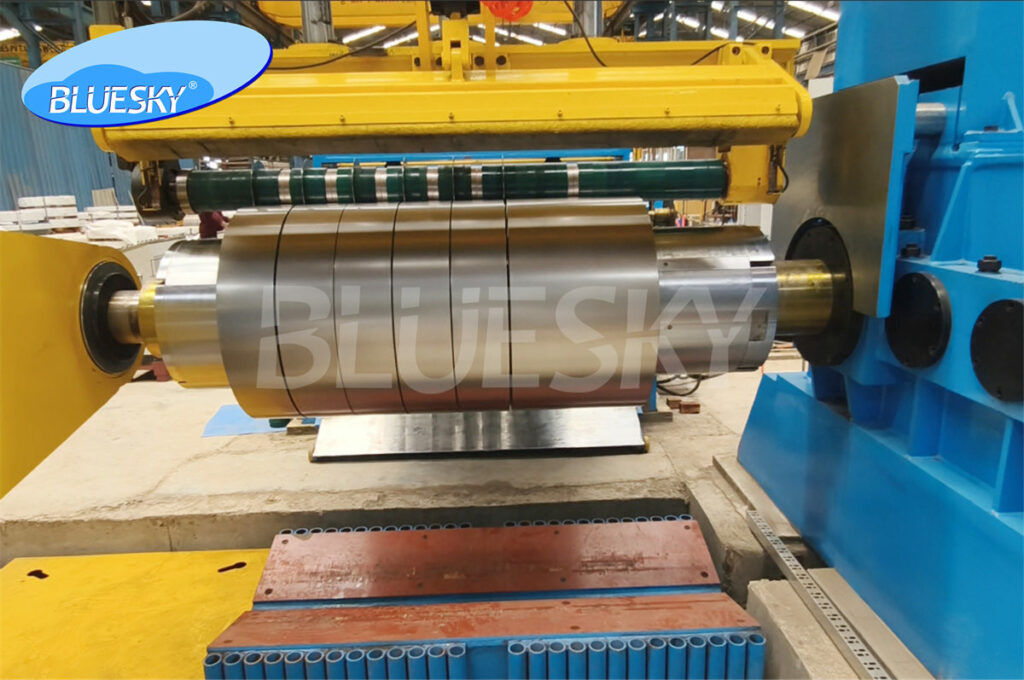
A slitting line machine, also known as a metal coil slitter or coil slitting line, is high-efficiency industrial equipment designed to cut wide metal master coils into narrower strips.
As a professional slitting line manufacturer, Guangzhou Blue Sky Machine Co., Ltd builds heavy-duty automatic slitting lines widely utilized by steel processing plants, steel rolling mills, steel market operators, and downstream manufacturing industries such as automotive, electrical appliances, stamping parts, and metal packaging. These systems ensure high-precision slitting for premium metal coils, including strip steel, stainless steel, aluminum, and copper.
Operator Guidelines for Slitting Line
- Acoustic Check: Monitor operational sounds continuously. Shutdown immediately if any irregular noise or vibration occurs.
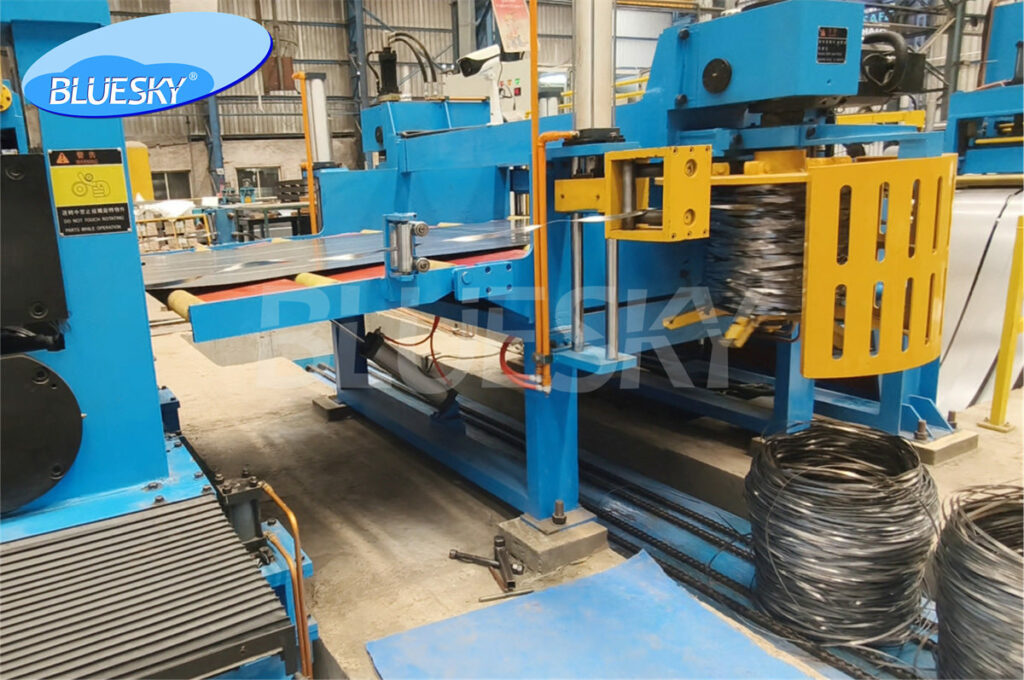
- Web Guiding: Thread and center materials manually under manual mode first. Verify the ultrasonic controller is switched to Automatic Mode before running.
- Blade Clearance: Accelerate the line gradually. Ensure perfect upper and lower blade gaps: excessive clearance causes edge burrs, while tight gaps damage the tooling.
- Tool Positioning: Lower the top blade holder until it hovers 2–3mm above the bottom knife, then lock it. Center it perfectly with the lower groove before completing the adjustment to avoid blade collisions or jumping.
- Safe Grounding: Ensure the entire metal slitter chassis is properly grounded before initializing power.
Slitting Line Preventive Maintenance Matrix
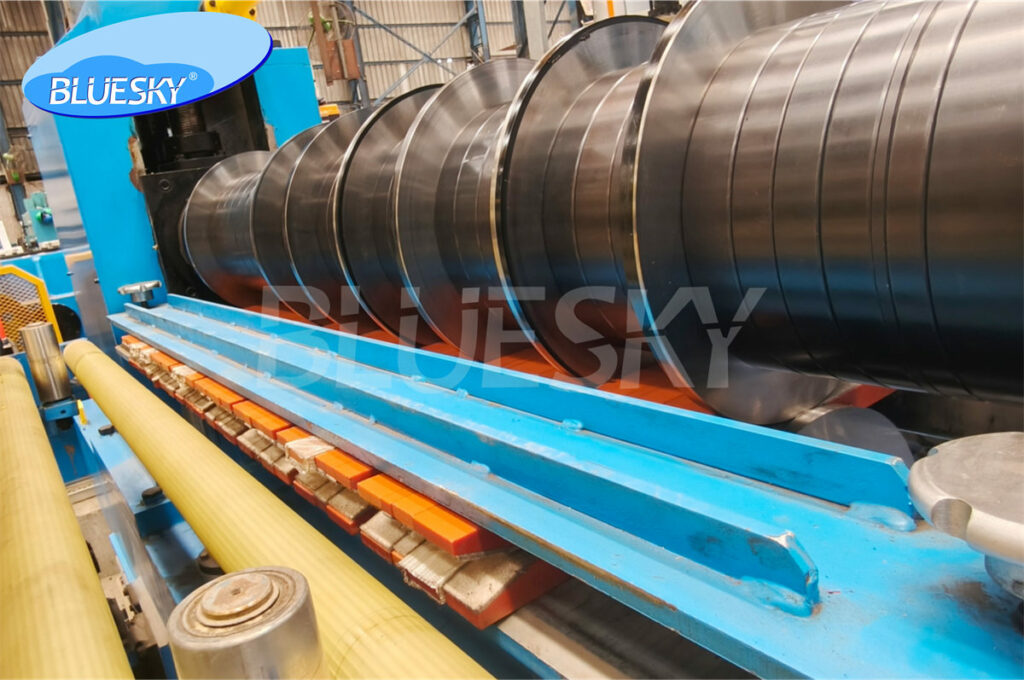
- Daily: Inject oil into the lead screw ports every shift. Clean all metal dust and debris from blades, shafts, and guide columns, then apply a protective oil film.
- Bi-Weekly: Grease all drive chains and gears every 15 days. Inspect and tighten structural bolts to prevent vibration-induced loosening.
- Monthly: Review and adjust the tension profiles of all transmission belts and heavy chains.
- Roller Safety: Elevate rubber rollers to their upper resting position when idle to prevent deformation. Wash them with neutral soaps only—never use gasoline or thinners.
- Storage Protection: Wipe down the machine housing after each shift. Apply high-quality oil seals to blades, lead screws, and bright chrome parts if the line goes offline.